




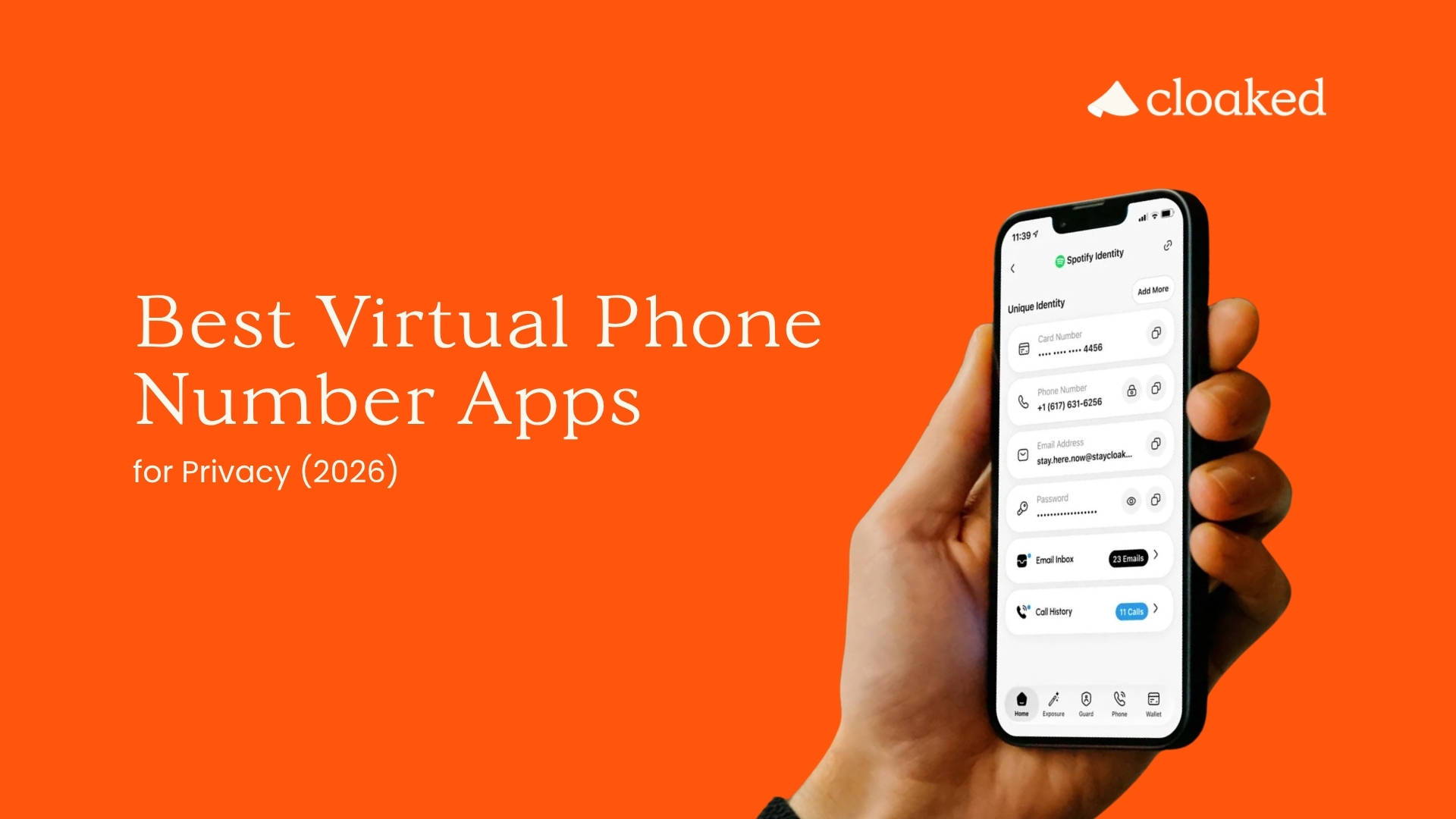
Your real phone number is attached to almost everything you do online. Shopping accounts, food delivery apps, loyalty programs, and two-factor authentication. Every time you hand it over, you are giving companies and potential scammers another way to reach you.
In 2024, consumers reported losing more than $12.5 billion to fraud, and phone calls were the second most common way scammers reached victims (Source: FTC Consumer Sentinel Network, 2024). Of all contact methods, phone calls led to the highest median loss per victim at $1,500, more than double the $600 median for email-based scams.
One category shows the real cost of an exposed phone number. The FTC reported that losses from impersonation scams, where callers pretend to be from a bank, government agency, or tech company, hit $2.95 billion in 2024. Adults over 60 were hit hardest, with combined losses jumping from $55 million in 2020 to $445 million in 2024 (Source: FTC Impersonation Scam Data Spotlight, 2025). A virtual phone number keeps your real number out of the databases scammers mine for targets.
Here are the best virtual phone number apps for privacy in 2026, what each one does, and how to pick the right one for you.
What Is a Virtual Phone Number
A virtual phone number is a phone number that is not tied to a physical SIM card or a specific phone line. Calls and texts go through the internet (or in some cases, an eSIM on your device) instead of a traditional carrier connection.
How Virtual Numbers Protect Your Privacy
When you use a virtual phone number instead of your real one, companies, apps, and strangers never get access to the number tied to your bank account, your email, or your identity. If that virtual number starts getting spam, you can disable it and create a new one.
Common Uses for Virtual Numbers
Most people look for apps that give you a second phone number for privacy in a few specific situations:
- Online shopping and checkout forms
- Signing up for new apps and services
- Selling items on marketplaces like Craigslist or Facebook
- Dating apps where you want to stay anonymous
- Any situation where you do not fully trust the other party
How to Get a Virtual Phone Number for Online Signups
Getting a virtual phone number is usually a three-step process, regardless of which app you choose.
Step 1: Pick an App That Fits Your Needs
Some apps focus on temporary, disposable numbers. Others give you a permanent second line. Decide if you need a quick burner phone number for shopping and signups, or a long-term number you can use across multiple accounts.
Step 2: Choose Your Number
Most apps let you pick a USA virtual phone number with a specific area code. Some also offer numbers from Canada, the UK, and other countries.
Step 3: Start Using the Number
Once your number is active, you can receive calls, texts, and verification codes. Some apps forward everything to your real phone. Others keep messages inside a separate inbox, adding another layer of separation from your personal line.
One important note: not every virtual number works for every type of verification. Some banks, financial apps, and social media platforms may reject standard VoIP numbers during signup. Carrier-grade eSIM numbers tend to pass these checks more reliably than internet-only VoIP lines.
Best Apps to Generate Phone Numbers for Privacy in 2026
Each of these apps takes a slightly different approach. Some are best for temporary use, others work better as a permanent second line.
Cloaked
Cloaked is built specifically for privacy-first identity protection. You can generate unlimited phone number aliases, one for each account or signup. Each alias has its own inbox, so everything stays organized. The Cloaked eSIM gives you a carrier-grade number that passes verification checks at banks and financial apps that typically reject standard VoIP lines. Beyond phone numbers, Cloaked also creates email aliases, removes your data from 130+ broker sites, includes dark web monitoring, and offers $1M in identity theft insurance. Currently available in the U.S. and Canada.
Hushed
Hushed is one of the more established apps for generating temporary phone numbers. You can get numbers from over 300 area codes across the U.S., Canada, and the UK. Limited 7-day plans start at around $1.99, and unlimited calling and texting plans run about $4.99 per month. Hushed also accepts Bitcoin for payment, which adds an extra layer of anonymity. One drawback: free trial numbers cannot receive messages from contacts you have not messaged first.
Burner
Burner is a popular choice for disposable numbers. You can create a number for a specific purpose, use it for as long as you need, and then "burn" the number to permanently delete it along with all associated calls and texts. Burner works well for marketplace listings, online dating, and short-term projects. Subscription plans with unlimited calls and texts start around $4.99 per month, though pricing may vary by promotion.
Google Voice
Google Voice gives you a free USA virtual phone number tied to your Google account. You can make calls, send texts, and receive voicemail. The main limitation is that Google Voice numbers are well-known VoIP lines, so many platforms may reject them for SMS verification. Best for casual use if you already live in the Google ecosystem.
TextNow
TextNow offers a free second phone number supported by ads. You get a U.S. or Canadian number with unlimited calling and texting over WiFi. Paid plans remove ads and add additional features. Like Google Voice, TextNow numbers may not pass verification checks on all platforms. A decent option if budget is the top priority.
Surfshark Alternative Number
Surfshark, known primarily as a VPN provider, now offers a virtual number feature. You get a U.S.-based number for receiving calls and texts with privacy protections built in. Only U.S. area codes are available at the moment, and Surfshark's own documentation notes that the number does not support one-time passcodes or two-factor authentication. Best suited for signups and casual use if you already subscribe to Surfshark's privacy suite.
What to Watch Out for With Virtual Phone Numbers
Virtual phone numbers can be a useful privacy tool, but there are a few things worth knowing before you commit.
Not All Numbers Pass Verification
Many banks, crypto exchanges, and social media platforms block standard VoIP numbers during account verification. If you need a number that works with financial services, look for a provider that offers carrier-grade or eSIM-based numbers rather than internet-only VoIP lines.
Free Apps May Collect Your Data
Free virtual number apps often make money through ads and data collection. A 2024 FTC staff report found that many major free platforms collect large amounts of personal data with limited transparency about how it gets stored or shared. While that report focused on social media and streaming companies, the same business model applies to ad-supported phone apps. If privacy is the whole point, a free ad-supported app may undermine that goal.
Recycled Numbers Can Cause Problems
Some apps recycle phone numbers after users discard them. That means you could receive calls or texts intended for a previous user, and your old number could end up in someone else's hands.
Protect Your Number Before the Next Scam Call
Once scammers have your real phone number, you end up on call lists that are nearly impossible to escape. The best virtual phone number apps for privacy keep a buffer between your real identity and the online world.
Cloaked lets you generate unlimited phone number aliases and email aliases for every account. The Cloaked eSIM provides a carrier-grade number that works with services that reject standard VoIP lines. Cloaked also removes your data from 130+ data broker sites, offers dark web monitoring, spam call screening, and $1M in identity theft insurance. Currently available in the U.S. and Canada.
Run a free safety scan to see how exposed your phone number already is, or get in touch to learn more.
FAQs
What is a virtual phone number?
A phone number that works over the internet or an eSIM instead of a traditional SIM card. You can use it for calls, texts, and verifications without sharing your real number.
Are virtual phone numbers legal in the U.S.?
Yes. Using a virtual phone number for personal privacy is completely legal. Using one for fraud, harassment, or impersonation is not.
Can I use a virtual phone number for bank verification?
Standard VoIP numbers may be blocked by some banks. Carrier-grade eSIM numbers tend to pass verification checks more reliably because they register on a real cellular network.
Do virtual phone number apps work for receiving verification codes?
Many do, but not all. Some platforms specifically block VoIP numbers to prevent fraud. Check whether the app you choose supports the specific services you need to verify.
What is the difference between a burner number and a virtual number?
A burner number is a type of virtual number designed to be temporary. You use it for a short time and then delete it. A virtual number can also be permanent, serving as a long-term second line.
Are free virtual phone number apps safe to use?
Some are, but many free apps collect and sell your data to cover costs. If your goal is privacy, a paid service with clear data policies may be a safer choice.

.webp)




