



Most dating privacy risks stem from sharing your real phone number, which exposes your identity and location to potential scammers, stalkers, and data brokers. While Google Voice offers a free second number, it has significant limitations including US-only availability and automatic number reclamation after three months of inactivity. Dedicated virtual phone services provide better long-term privacy protection for online dating.
TLDR
• Virtual phone numbers create a buffer between your dating life and real identity, preventing stalkers from accessing your personal information
• Google Voice works for basic needs but cannot place emergency calls and may reclaim inactive numbers after 90 days
• Burner apps like Hushed allow anonymous signup with crypto payments but require monthly renewals to avoid number recycling
• Encrypted VoIP services offer the strongest privacy with end-to-end encryption and no KYC requirements
• Google Voice displays your number on caller ID, making it traceable through reverse lookups
• Choose solutions that support SMS verification for dating apps while maintaining persistent number ownership
You swipe right, the conversation heats up, and suddenly your match asks for your number. It feels natural to share it. But the moment you hand over those ten digits, you've potentially exposed your real name, home address, workplace, and social profiles to someone you've never met in person.
Online dating is wildly popular. Tinder's 75 M users span 190 countries. That scale attracts not just hopeful romantics but also scammers, stalkers, and bad actors hunting for personal data. The good news: safe phone numbers for dating let you chat freely without revealing your primary line.
This guide compares Google Voice limitations against dedicated solutions so you can pick the right virtual phone number strategy, protect your privacy, and still enjoy connecting with new people.
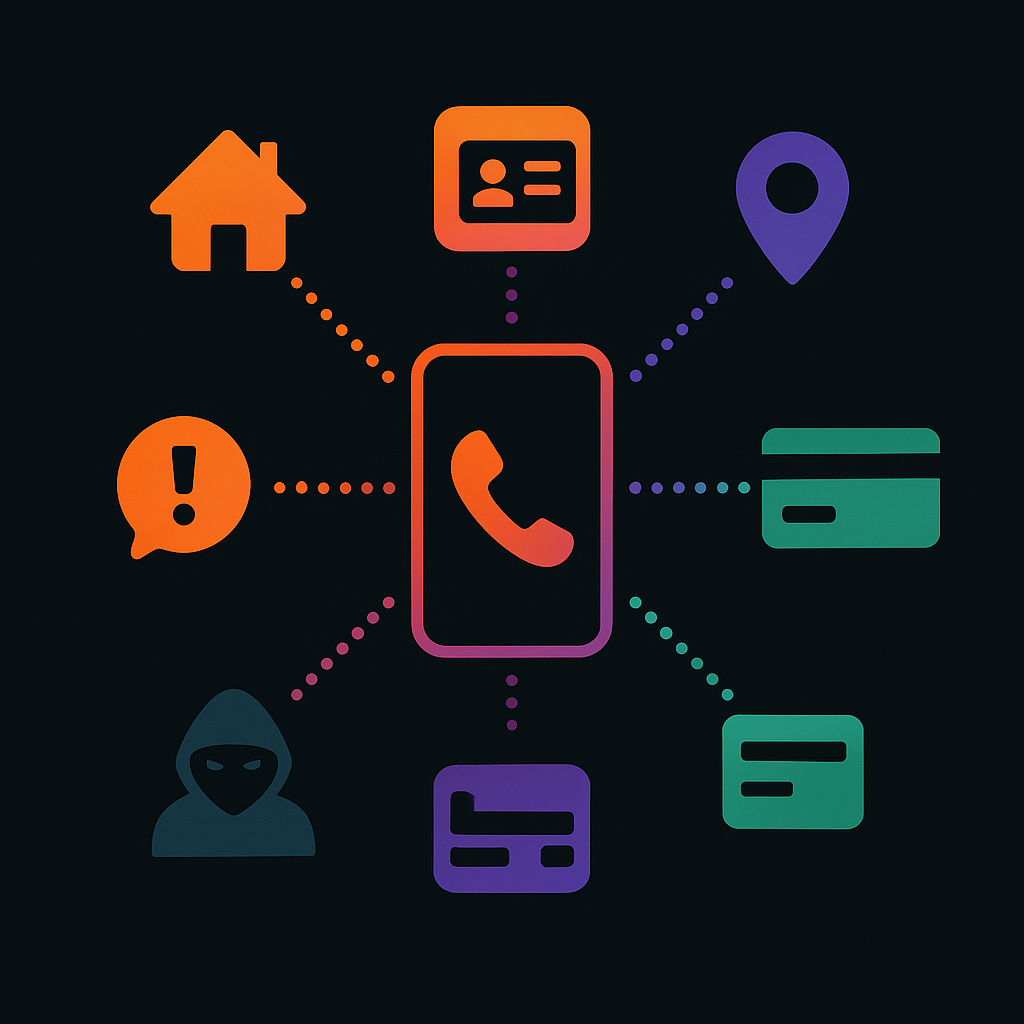
Why Phone Privacy Matters on Modern Dating Apps
Location-based dating apps ask users to share deeply personal details, from photos and bios to real-time location data. Nearly half of all consumers have used an online dating app or service, making dating platforms a high-value target for data harvesting.
Researchers who analyzed 15 popular apps found that six of them allow pinpointing a user's exact location, enabling physical threats to personal safety. Even without such extreme leaks, a phone number alone can unlock a trove of information. Your phone number ties to your name, address, employer, and a host of linked accounts.
The stakes are real:
- Spam and unsolicited contact. Once your number is out, it can end up on marketing lists or in data-broker databases.
- Scams and fraud. One in four dating app users report being targeted by a dating scam.
- Stalking and harassment. A determined bad actor can use your phone number to reverse-search your identity.
Using a secondary number creates a buffer between your dating life and your real-world identity.
What can go wrong if you share your real phone number?
Sharing your primary number with someone you barely know opens the door to several risks.
Stalking and Harassment
Dating app profiles already reveal sensitive information. Research notes that users reveal highly personal data, making them susceptible to privacy violations. An adversary can combine a phone number with publicly available data to locate where you live or work.
Identity Theft and Social Engineering
With your phone number, bad actors can gather identifying information like name and photo to engage in identity theft. They may impersonate you, access your accounts via SMS-based two-factor codes, or phish your contacts.
Sextortion
Sextortion, the threatened release of explicit images to extort money or favors, has exploded on dating platforms. A 2023 study found that 62.7% of surveyed dating app users had experienced sextortion, often after moving conversations to text or calls. UK reports of sextortion nearly doubled from 593 cases in 2020 to 1,124 in 2021.
Data Leaks via API Traffic
Even hidden profile fields can be exposed. Researchers discovered that API traffic leaks reveal very sensitive data otherwise hidden from users, violating their expectations of what they share.
Key takeaway: A disposable or virtual number shields your real identity if things go wrong.
Is Google Voice enough for dating privacy?
Google Voice offers a free second number, but it comes with tradeoffs that privacy-conscious daters should understand.
What Google Voice does well
Google Voice offers a permanent phone number with an impressive range of features. Highlights include:
- Free calls and texts to US numbers
- Voicemail transcription
- Integration with Google Calendar and Contacts
- Call forwarding to your primary device
For casual, long-term use inside the Google ecosystem, Voice can be convenient.
Deal-breakers for privacy-focused daters
Google Voice has notable limitations that may outweigh its benefits:
The reclamation policy is a particular pain point. If you take a break from dating, you may lose the number and any associated message history.
Do burner phone apps really protect you?
Burner apps like Burner and Hushed promise disposable numbers you can "burn" when done. They're popular for short-term privacy needs such as online marketplaces or first dates.
Hushed stands out for anonymity: Users can register with email and pay via crypto. Numbers are available in the US, Canada, and UK, with voice service spanning more than 40 countries.
Burner limits numbers to North America and requires SMS verification with your existing line, which reduces anonymity. On the plus side, integrations with Dropbox, Evernote, and Slack make it useful for freelancers.
Both apps charge around $4.99 per line per month, though prepaid bundles can expire quickly.
Number recycling & renewal gotchas
Burner apps work best for temporary use. If you let a subscription lapse, Burner will recycle your number. Someone else could then receive your old number, complete with any lingering verification links.
Other issues:
- Renewal fees. Miss a renewal window and lose your number.
- SMS-verification bans. Some services block numbers from known burner pools.
If you want a long-term dating alias, burner apps require constant vigilance.
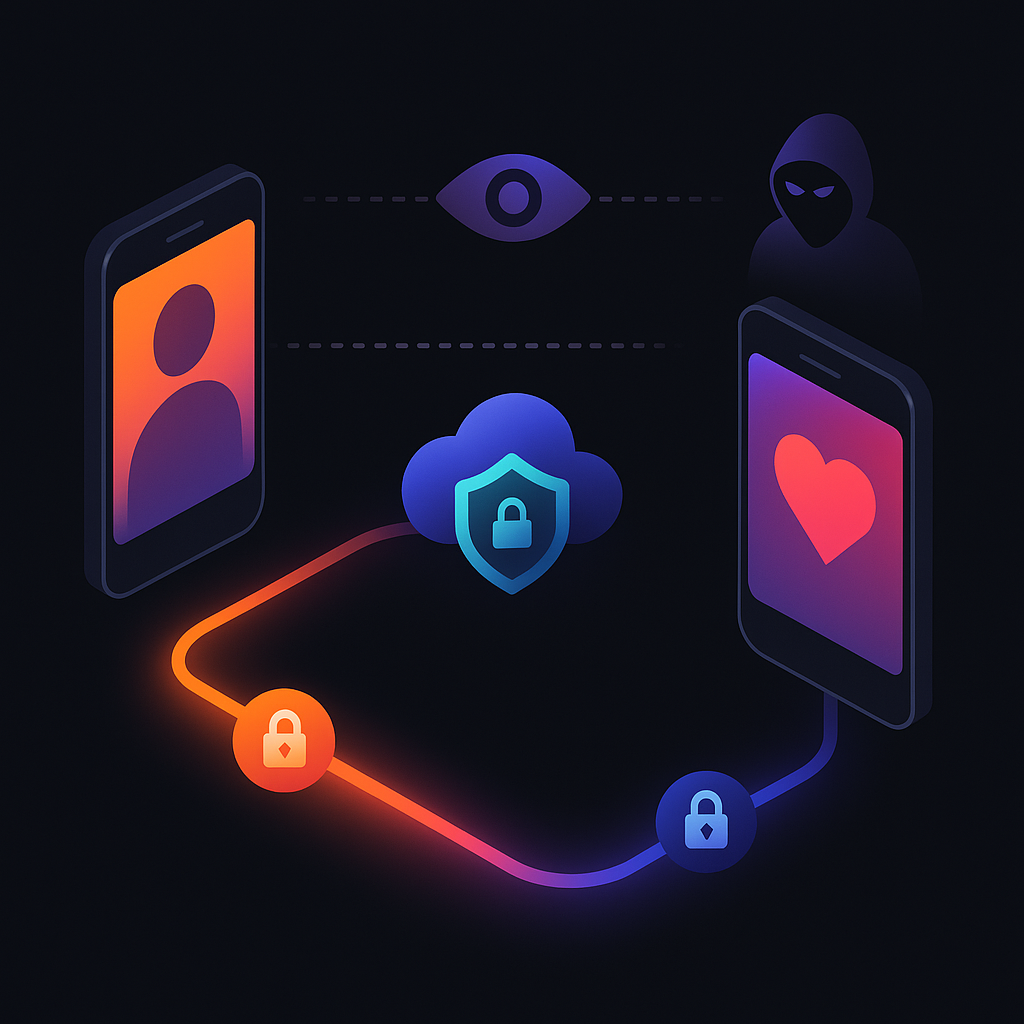
How does VoIP encryption keep your dating life private?
VoIP, or Voice over Internet Protocol, routes calls and texts over the internet rather than the cellular network. A virtual phone number isn't tied to a physical SIM, so it provides a layer of separation from your real identity.
Modern VoIP services can add encryption and anonymous payment options to further protect users. Researchers studying caller ID fraud note that CIV authenticates caller ID through a challenge-response process, a new protocol that works on both IP and non-IP networks. While CIV is still emerging, it signals the industry's move toward verifiable, harder-to-spoof calls.
More than 28% of 46.75 billion unknown calls analyzed in 2023 were spam or fraud, up from 24% the year before. Encrypted VoIP services can help filter and protect against such threats.
Open-source & crypto-friendly providers
For users who want maximum privacy, specialized providers offer encrypted lines and anonymous sign-up:
- JMP.chat provides encrypted communication via open-source app. It integrates with Jabber (XMPP) and accepts cryptocurrency.
- Brax Virtual Phone is an affordable, no-frills VoIP solution that skips KYC requirements.
- ChatOdyssey Phone Relay uses client-side zero-knowledge end-to-end encryption, plus unlimited email relay.
"We recommend JMP.chat and Brax Virtual Phone for those seeking real privacy from Big Tech and state-sponsored surveillance." (Digital Privacy Shop)
These options shine when you need a long-term alias that doesn't link back to your main phone.
Rules are changing: Google dating-ads & spoofing crackdowns
Regulators and platforms are tightening the screws on dating-related fraud.
Google's Dating Ads Policy
Starting April 2025, Google requires certification before running dating ads. The policy bans compensated companionship, mail-order spouse services, and deceptive dating platforms. Uncertified advertisers will not be permitted to run ads after the enforcement date.
This move aims to reduce exploitative and scam-laden services on the platform, indirectly pressuring legitimate daters to use reputable apps and tools.
FCC Caller ID Rules
"Caller ID spoofing is a global industry problem and often acts as a critical enabler for telephone fraud." (Warwick University Research)
The FCC mandated STIR/SHAKEN for US telecom providers to verify caller ID authenticity. Yet after the mandate, robocalls actually rose to 5.5 billion in October 2022. Spoofing remains a problem, reinforcing the value of virtual numbers that insulate you from unknown callers.
How to pick the right safe number strategy
Choosing a safe phone number for dating depends on your priorities. Use this checklist:
Virtual numbers work via VoIP, acting as a relay that forwards calls and texts without revealing your true number. For dating, you want a number that:
1. Won't get recycled to someone else.
2. Can receive SMS for app verification.
3. Doesn't expose your caller ID to lookups.
4. Offers easy blocking or disposal if a contact turns hostile.
OpenPhone notes that Google Voice lacks business hours, shared numbers, and multiple voicemail greetings, features that can also help daters compartmentalize their private lives.
Key takeaways for privacy-first dating
Online dating doesn't have to mean giving up your personal information. Here's what to remember:
- Never share your primary number with someone you haven't met and vetted.
- Google Voice works in a pinch, but its US-only numbers, caller ID exposure, and reclamation policy create gaps.
- Burner apps are handy short-term, but number recycling and renewal headaches make them risky for long-term use.
- Encrypted VoIP providers like JMP.chat and Brax offer stronger privacy guarantees for the privacy-minded.
- Regulatory shifts are pushing the industry toward better verification, but scammers adapt quickly.
A virtual phone number protects your personal number by acting as a relay between you and your matches.
For a streamlined, all-in-one approach, Cloaked lets you generate unique phone numbers and email addresses on demand, backed by end-to-end encryption and identity monitoring. Whether you're swiping casually or looking for something serious, Cloaked keeps your real contact information out of reach until you're ready to share it.

.webp)
.webp)



