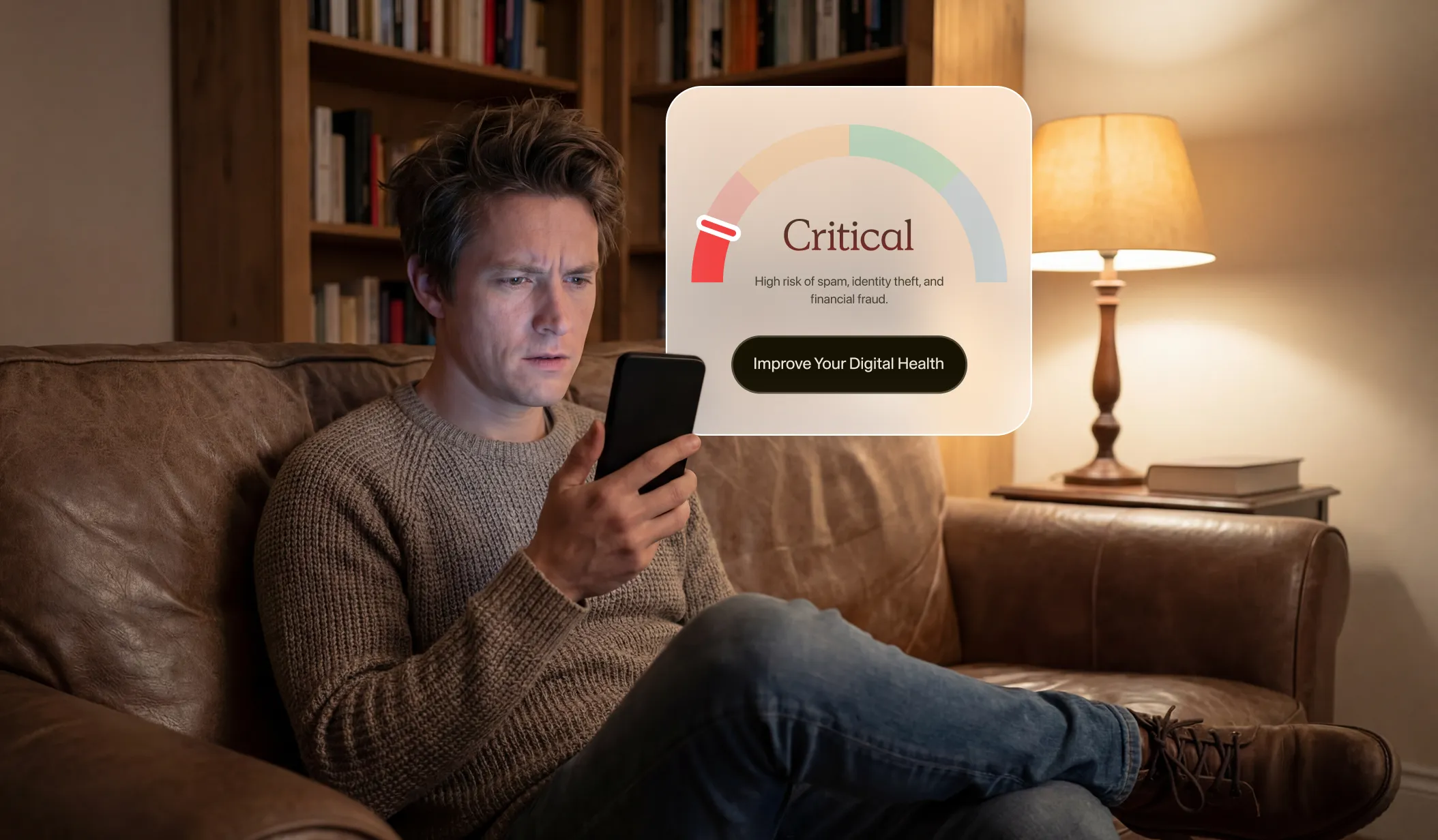
In a groundbreaking move, the FTC has slammed General Motors with a ban on selling driving data, spotlighting a growing concern over consumer privacy. This decision follows accusations against GM for collecting and selling sensitive location data without consent. If you're a driver, this might leave you wondering—just how exposed is your driving data, and what does this mean for your privacy?
What Data Points Were Leaked?
General Motors found itself in hot water after the FTC flagged its collection and sale of sensitive driver data. The core issue? The OnStar “Smart Driver” feature, which quietly gathered detailed driving information—often without drivers realizing the extent.
What Data Was Collected?
GM’s OnStar Smart Driver system scooped up a surprising amount of information, including:
- Precise Geolocation Data: Your vehicle’s location was tracked—often down to a few meters—every three seconds. This isn’t just about knowing your starting point and destination; it’s a continuous record of your movement.
- Driving Behavior Metrics: The system logged events like hard braking, rapid acceleration, sharp turns, and speed. This paints a detailed picture of how you drive, not just where you go.
- Trip Details: Mileage, trip duration, time of day, and even whether you used seatbelts were part of the data package.
How Was This Data Used?
The controversy centers on what happened next. GM reportedly sold this granular data to third parties, including insurance companies. These organizations could use your driving habits and locations to shape insurance rates, market products, or build consumer profiles. For many drivers, this crossed a clear privacy line.
- No Clear Consent: Many users signed up for OnStar for safety and convenience, unaware their every move might be tracked and sold.
- Broad Data Sharing: The data didn’t just stay within GM. It was packaged and handed over to outside businesses, raising alarms about who really controls your personal information.
This situation spotlights a bigger problem: even everyday tech can quietly collect and distribute personal data in ways most people never expect.
Should You Be Worried?
When news breaks about a data breach—especially one involving a company as large as GM—it’s easy to wonder if you should be sweating bullets. If you’re a driver whose information may have been exposed, these concerns are valid. Let’s break down why this matters and what you should know.
The Real-World Impact on Drivers
A breach isn’t just some distant threat. If your driving data or personal info lands in the wrong hands, the consequences can be far-reaching:
- Identity Theft: Exposed data such as names, addresses, and driver’s license numbers can be used to impersonate you or open fraudulent accounts.
- Phishing Scams: Cybercriminals use leaked data to craft convincing fake emails or calls, tricking you into sharing more sensitive details.
- Targeted Attacks: Information about your vehicle or driving habits could be used for more targeted scams, making them harder to spot.
How It Could Affect Your Insurance
The breach may go deeper than personal inconvenience. Insurers increasingly use driving data—like mileage, location, or even braking habits—to set rates and determine coverage.
- Higher Premiums: If your driving history or claim patterns are leaked and become publicly accessible, insurers might see you as a higher risk, leading to increased rates.
- Coverage Issues: Inaccurate or manipulated data could result in denied claims or loss of coverage altogether.
- Privacy Loss: The more insurers know about your day-to-day habits, the less private your driving becomes.
Privacy Concerns: More Than Just Numbers
There’s a bigger picture here. The breach shines a light on just how much data modern cars collect and share, often without drivers realizing it.
- Constant Tracking: Many connected vehicles log where you go, how fast you drive, and even when you brake.
- Data Ownership: Who really owns this information? You, or the automaker? Most people don’t have a clear answer.
- Long-term Risks: Once your data is out, it’s almost impossible to reel it back in. It can pop up in places you never expected, years down the road.
Taking Control with Cloaked
For those uneasy about their data floating around, privacy tools like Cloaked can help. Cloaked lets you mask personal details and control what information is shared online, reducing your exposure when breaches happen. If you’re looking to lock down your digital footprint, tools like this are worth considering—especially when breaches feel like they’re coming from all directions.
Staying alert is smart. If you think your information was part of this breach, keep an eye on your accounts, watch for suspicious activity, and consider extra privacy layers.
What Should Be Your Next Steps?
When it comes to protecting your driving data privacy, there’s no room for guesswork. Every time you get behind the wheel or sync your phone with your car, you’re creating a digital paper trail. Here’s how to take charge and keep your information out of the wrong hands.
Request Your Data
Most people don’t realize you can ask car manufacturers, insurers, or app providers for a copy of the data they collect about you. It’s your right. Here’s how to go about it:
- Contact customer support for your vehicle or app. Look for a privacy or data request form on their website.
- Be specific about the data you want. Mention driving logs, location history, and connected device data.
- Follow up until you receive a clear response. Don’t let your request get lost in the shuffle.
Opt Out of Data Collection
You’re not stuck with the default settings. Tweak what gets collected and shared:
- Review app and vehicle privacy settings. Disable unnecessary tracking or data sharing features.
- Decline permissions for location or microphone access unless absolutely necessary.
- Check your insurance policy for any clauses about telematics or data-driven discounts. If it feels intrusive, ask about opting out.
Use Privacy-Focused Tools
Sometimes, built-in settings only go so far. That’s where privacy tools like Cloaked step in:
- Cloaked’s platform lets you create masked emails, phone numbers, and even credit cards, shielding your real information when signing up for car-related services or apps.
- Control who contacts you: Use generated contact details to cut down on spam or unwanted tracking.
- Monitor and manage your data from a single dashboard, giving you a clearer picture of what’s out there and who’s got it.
If you’re tired of feeling exposed every time you download a new app for your car, Cloaked can help you put up some real barriers.
Understand and Manage Data Consent
Every “I agree” you tap is a potential risk. Pause before you click:
- Read consent forms and privacy policies, even if you skim. Look for what data is collected, how it’s used, and who it’s shared with.
- Withdraw consent when you’re uncomfortable. Most companies are required to honor your request.
- Keep a record of what you’ve agreed to, so you’re not left guessing later.
Quick Checklist
- Ask for your data regularly.
- Opt out of unnecessary data collection.
- Use privacy tools like Cloaked for extra protection.
- Be vigilant about consent and keep records.
Protecting your driving data isn’t a one-time job. It’s an ongoing habit, like buckling your seatbelt before you start the engine.