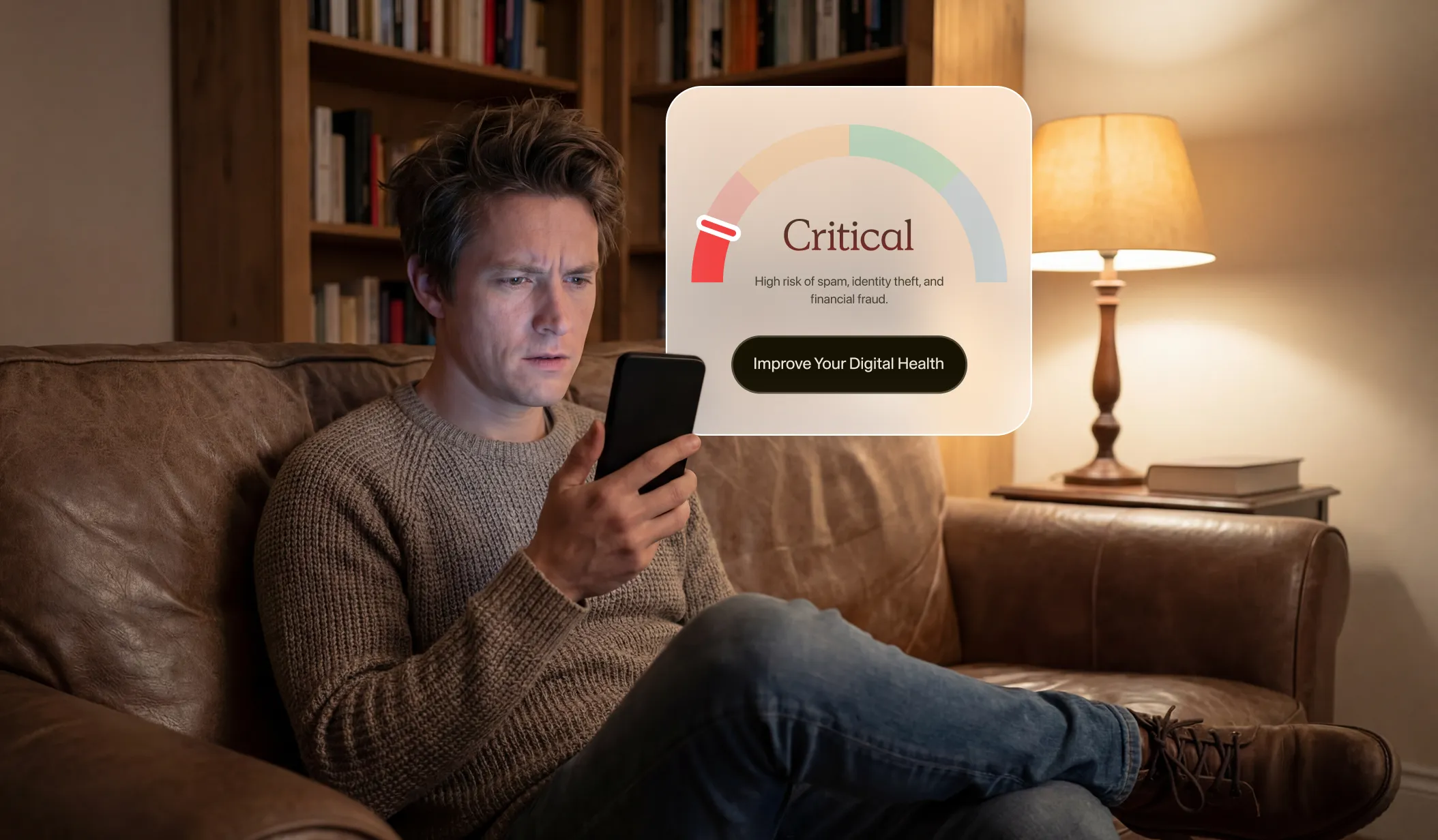
In a world where technology connects every part of our lives, the TV in your living room might be doing more than just entertaining you. Recent legal battles have thrust Samsung's data collection practices into the spotlight, sparking concerns about privacy. The use of Automated Content Recognition (ACR) technology by Samsung's Smart TVs has raised alarms over potential breaches of personal data. With courts weighing in on the privacy implications, it's time to understand what this means for you and how you can safeguard your personal space.
What Data Points Were Leaked?
When most people think about privacy, they worry about hackers or stolen passwords. But your Samsung Smart TV could be quietly scooping up far more information than you realize. Here’s what’s been going on behind that big screen.
What Samsung Smart TVs Collect
Samsung’s Smart TVs aren’t just passive screens. They’re fitted with sensors and software that record what you watch, when you watch it, and how you interact with your TV. The main technology behind this is called Automated Content Recognition (ACR).
Data Collected Includes:
- Viewing history: Every channel, show, or movie you watch, whether it’s from cable, streaming apps, or even a USB drive.
- App usage: Which streaming services or apps you open, how long you use them, and what you browse within those apps.
- Device IDs and network info: Your TV’s unique identifiers, Wi-Fi details, and sometimes even connected device info.
- Voice commands: If you’ve enabled voice control, snippets of your voice requests may be sent to Samsung’s servers for processing.
How Automated Content Recognition (ACR) Works
ACR scans your screen—frame by frame—to identify what you’re watching, regardless of the source. It matches snippets of video or audio to a vast online database. This isn’t just about tailoring recommendations. The information can be shared with advertisers or third parties for targeted ads and analytics.
Foreign Access and Data Flow
One of the bigger worries is where this data goes. Samsung’s privacy policy allows for information to be processed and stored on servers outside your home country. This opens up the potential for data to be accessed by organizations in different jurisdictions, where privacy laws may be less strict.
- Data sent abroad: Your personal viewing habits could be stored or processed in other countries.
- Third-party sharing: Samsung’s agreements may allow partners or advertisers—sometimes overseas—to access this info.
The upshot? The TV that’s supposed to be the heart of your living room could be quietly sending pieces of your daily routine across borders, all thanks to features like ACR. Understanding what’s collected is the first step in taking control.
Should You Be Worried?
The Implications of Data Collection on Your Privacy
Owning a smart TV sounds harmless, but the reality is more complicated. Devices like Samsung Smart TVs gather a staggering amount of data about you—what you watch, the apps you use, even your voice commands. This data helps companies improve services, but it also means your habits and preferences are tracked, stored, and sometimes shared.
What Does This Mean for You?
- Loss of Privacy: Smart TVs can collect personal details. Everything from your favorite shows to your shopping preferences might be logged.
- Behavioral Profiling: Collected data can be used to build a profile about you, which companies can then use for targeted ads or share with third parties.
- Lack of Control: Many users are unaware of the extent of data being captured or how it's used. Opting out isn’t always straightforward.
Legal Perspectives and Consumer Rights
Privacy laws exist, but they’re patchy. In the US, there’s no single law that covers all aspects of smart device privacy. States like Texas have started to pay more attention, especially after reports of Samsung Smart TV data breaches, but gaps remain.
Key Points on Legal Protection
- Right to Know: You have the right to know what data is being collected and how it’s used. Check privacy settings regularly.
- Right to Opt-Out: Companies should offer you ways to limit data collection. These settings are often hidden deep in the menus.
- Data Breach Notification: If your data is leaked, companies are generally required by law to inform you—though these notifications can be delayed or vague.
Risks of Data Leaks
Data breaches are not rare. Samsung Smart TVs have faced scrutiny in Texas and elsewhere for exposing sensitive information. Hackers look for vulnerabilities in connected devices, and a compromised smart TV can open the door to a lot more than just your viewing history.
What’s at Stake?
- Identity Theft: Personal data, once leaked, can be used by bad actors to impersonate you.
- Financial Loss: Information from smart TVs can sometimes be linked to other accounts, putting your finances at risk.
- Loss of Trust: Repeated breaches erode trust in brands and technology.
If you’re worried, you’re not alone. Many are looking for ways to guard their digital lives. Services like Cloaked help users regain control by offering tools to mask personal information and keep your real data private—even from your smart TV. This added layer of protection can make a real difference if you value your privacy.
What Should Be Your Next Steps?
Smart TVs are everywhere, and so are the risks to your privacy. If you want to tighten control over your data, here’s a clear, step-by-step approach you can start today.
1. Review and Adjust Privacy Settings
Most smart TVs come with data collection set to “on” by default. Take these actions:
- Disable Automatic Content Recognition (ACR): This feature tracks what you watch—even from external devices. Turn it off in your TV’s settings menu.
- Opt Out of Viewing Data Collection: Look for options labeled “Viewing Information,” “Interest-Based Ads,” or “Personalized Content.” Disable these wherever possible.
- Limit Voice Recognition Data: Some TVs listen for commands. If you don’t use voice features, switch them off or restrict what gets sent to manufacturers.
2. Control Network Access
- Use a Guest Network: Connect your smart TV to a separate Wi-Fi network. This keeps it isolated from devices holding sensitive personal data.
- Block Unnecessary Connections: Some routers let you block your TV from accessing certain domains. This stops it from “phoning home” to its manufacturer or advertisers.
3. Regularly Update Firmware
- Keep Software Up-to-Date: Updates patch security holes. Set your TV to update automatically or check for updates at least once a month.
4. Manage App Permissions
- Uninstall Unused Apps: Fewer apps mean fewer opportunities for data to leak.
- Review Permissions: Dig into each app’s settings. Revoke permissions that don’t make sense for what the app does.
5. Use Additional Tools for Privacy
- Virtual Private Network (VPN): Installing a VPN on your router encrypts the TV’s traffic. This makes it much harder for outsiders to track your viewing habits.
- Privacy Management Tools: Services like Cloaked can help by masking your identity and generating aliases for sign-ups or logins, minimizing the personal data you share with TV apps and streaming services.
6. Read Privacy Policies
- Skim Before You Accept: They’re dense, but look for sections on data sharing and retention. If the policy is vague or feels invasive, reconsider using that service or app.
7. Reset Before Selling or Recycling
- Factory Reset: Wipe your TV to remove all accounts, passwords, and personal data before handing it off.
Taking these steps doesn’t just lower your risk. It gives you real control over what your smart TV knows—and shares—about you. Brands like Cloaked have made it easier to take that control, especially when you need to mask your personal information or keep your sign-ups private. Small changes can add up to a big difference in how protected you feel at home.