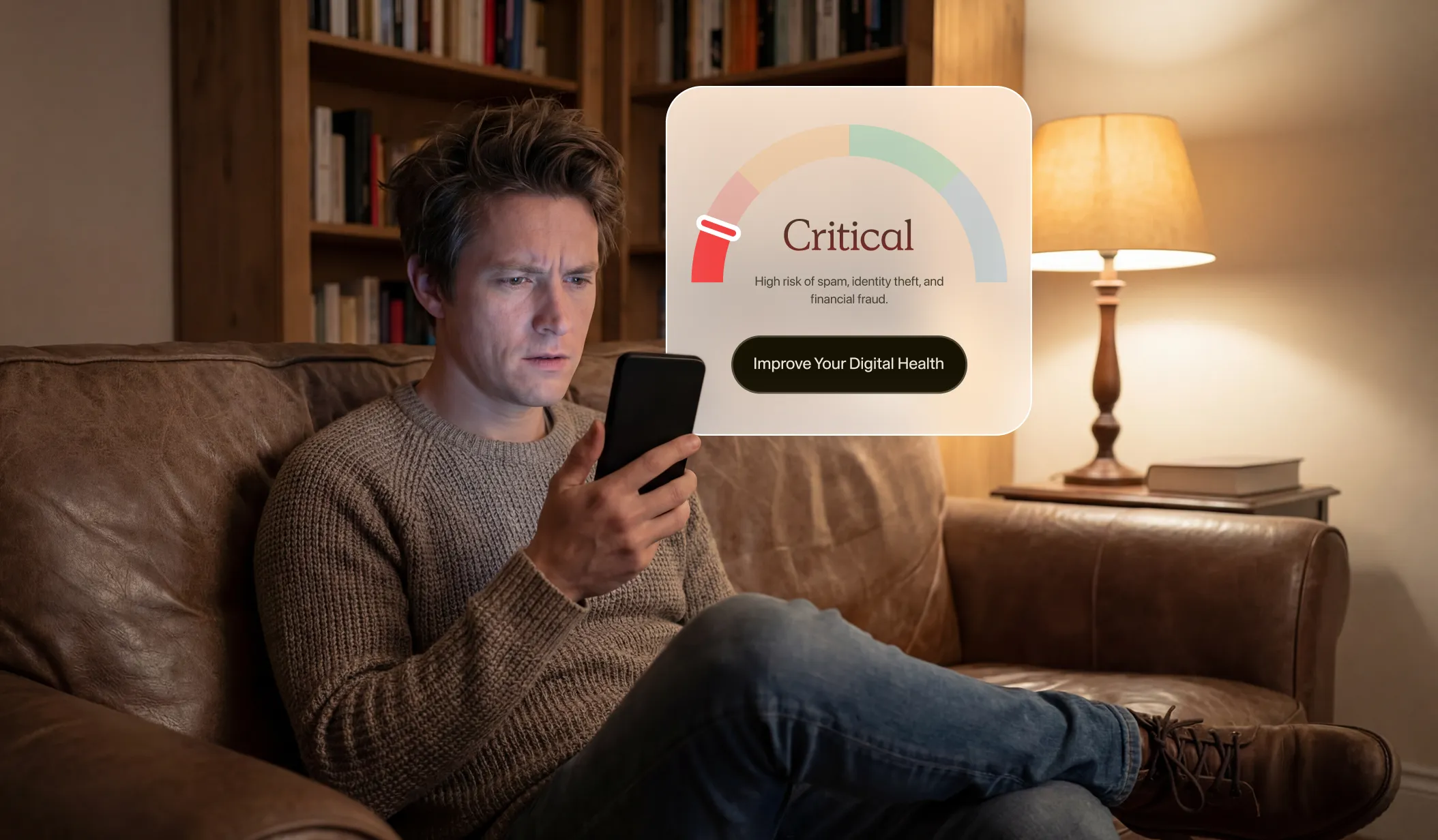
If you’re a Spectrum customer, you’re probably asking one thing: “Is my account part of this?” Charter Communications has confirmed a breach tied to an extortion threat, while the ShinyHunters group is claiming a much bigger haul—up to 40M records—after a vishing call that led to a compromised Microsoft Entra (SSO) account and large exports from Salesforce . Even if the company says no sensitive personal info or CPNI was taken , the smart move is to assume your contact details could still be in play and act fast—because that’s exactly the kind of data scammers use to make lies sound real.
What Charter Says vs. What ShinyHunters Claims (and why that gap matters)
If you’re trying to figure out whether the Spectrum data breach affects you, you’ll notice something frustrating right away: there are two versions of the story, and they don’t fully match.
Charter’s version (the official line)
Charter Communications confirmed it was hit with a breach tied to an extortion threat, and said it’s following security protocols and alerting authorities. The key sentence customers keep looking for is this: Charter says no “sensitive personal information (PI)” and no “customer proprietary network information (CPNI)” was exfiltrated.
That’s meant to calm fears about the worst-case scenario: things like government IDs, financial account info, or the kinds of telecom usage details that can fall under CPNI rules.
ShinyHunters’ version (the attacker’s claim)
ShinyHunters (the extortion group) claims something bigger: 40 million records taken from Charter/Spectrum. They told reporters the breach started with a vishing (voice phishing) call that compromised an employee’s Microsoft Entra (SSO) account, and that access was used to export data from Salesforce.
They also described what they say is inside the stolen dataset: names, email addresses, physical addresses, phone numbers, phone type, plan information, plus some CPNI data and even customer support ticket data.
Charter was asked about those extra details and pointed back to the original “no sensitive PI or CPNI” statement.
Why this gap matters to normal people
Even if Charter is right that truly “sensitive” data wasn’t taken, ShinyHunters’ claimed list includes the stuff scammers love because it makes a lie sound real:
- Name + email + phone = believable “Spectrum support” calls and texts
- Address = intimidation (“we already have your service location”)
- Plan info / support tickets = highly targeted scripts that match your actual history (“about that outage you reported…”)
This is why customers can feel stuck. One side is saying “no sensitive info,” while the other side is describing exactly the kind of contact + account-context data that fuels Spectrum phishing scams and “verify your account” traps.
So the practical takeaway isn’t “panic.” It’s: treat Spectrum-themed outreach as suspicious, because even a partial customer list can be enough to target you accurately.
What Data Might Be Involved—and how attackers actually use it against you
When a breach story mentions “records,” it can sound abstract. It’s not. The data ShinyHunters says they pulled includes the exact mix that makes Spectrum phishing and account takeover attempts feel believable: customer names, email addresses, addresses, phone numbers, phone type, plan information, plus claims of customer support ticket data.
Below is how each field gets weaponized.
The likely data fields—and the scams they power
- Name
- Used for “Hi [Your Name], this is Spectrum…” scripts that lower your guard.
- Also helps scammers pass basic “verification” questions when they call in.
- Email address
- Fuels targeted “payment failed” or “bill overdue” emails.
- Makes password-reset bait more convincing: “We noticed a login. Reset now.”
- Home address
- A pressure tactic: “We already have your service address on file.”
- Enables “technician visit / equipment pickup” cons if someone tries to get you to confirm details.
- Phone number
- Enables smishing (SMS phishing) and robocalls that pretend to be Spectrum support.
- Also used for “call us back” scams where the callback number goes to a fake support desk.
- Phone type (mobile vs. landline, and sometimes carrier/device hints)
- Helps scammers pick the best channel: text you if you’re on mobile, call you if you’re not.
- Can support SIM swap attempts because attackers know which numbers are worth targeting.
- Plan information
- Used for “upgrade bait” (“You qualify for a cheaper plan—confirm your login”).
- Used for fake billing disputes (“Your plan rate changed; we need to re-verify your account.”)
- Support ticket data (if it’s really there)
- This is the scariest for social engineering. Tickets can include the reason you contacted support, rough timelines, and notes that make a scam feel “inside baseball.” ShinyHunters claims they took this too.
Quick checklist: how they’ll try to hook you
Watch for these patterns in Spectrum data breach fallout:
- Urgency: “Your service will be shut off today.”
- A call-back number: “Call this direct line to avoid interruption.”
- Login links: “Confirm your account” links that go to lookalike pages.
- Confidence tricks: “We already have your address/plan on file,” followed by a push for one missing piece (password, one-time code, or payment details).
One more thing: scammers rarely need everything. They just need enough to sound real, then pressure you into handing over the one detail that actually opens the door.
How a Vishing Call Turns Into a Massive SaaS Data Pull (SSO-to-Salesforce, in plain English)
The scary part of a modern data breach isn’t always malware. Sometimes it starts with a phone call that feels routine.
ShinyHunters claims the Charter/Spectrum incident began with vishing (voice phishing): a scammer calls an employee, pretends to be IT/help desk, and talks them into doing something that hands over access. In this case, they say it led to a compromised Microsoft Entra account.
Once that happens, the problem can spread fast.
The chain reaction (what “SSO compromise” really means)
Think of SSO like a master key employees use to get into work apps without logging in 10 times a day.
If attackers get that master key, they don’t need to “hack” each system one by one. They sign in like a normal user and walk through open doors.
Here’s the simple version of what ShinyHunters described:
- Vishing call lands
- Attacker convinces an employee to approve a login, share a code, reset something, or accept a prompt.
- Microsoft Entra account gets compromised
- Entra is often the place where company logins are managed. ShinyHunters says that’s what they got into.
- SSO unlocks connected apps
- With an SSO account, attackers can reach connected SaaS tools employees use every day.
- Salesforce becomes the “data faucet”
- ShinyHunters says they used that access to export millions of records from Charter’s Salesforce instance.
Why this keeps happening (and why it scales)
ShinyHunters hasn’t been treating this like a one-off. Reporting notes they’ve run broader social-engineering campaigns targeting employee and BPO logins tied to Microsoft Entra, Okta, and Google SSO.
After that foothold, the group has gone after data in connected SaaS apps—examples listed include Salesforce and Microsoft 365, along with other common business platforms.
That’s why a single convincing call can turn into a “mass export” event. It’s not about breaking down a firewall. It’s about tricking someone into opening the front door.
What You Should Do Right Now (15 minutes) + What to Watch for (next 30 days)
If this breach risk is making you feel jumpy, good. That’s the right instinct. The goal is simple: cut off the easiest ways attackers turn leaked contact data into access.
Do this right now (15 minutes)
1) Change your Spectrum password (especially if you’ve reused it)
Even if attackers didn’t steal passwords, a leaked email address can confirm your login exists. One security commenter put it plainly: a password change “wouldn't strictly be necessary” if passwords weren’t taken, but “it wouldn’t hurt,” especially because exposed emails help validate accounts and password reuse is common.
- Make it long (12–16+ characters).
- Don’t reuse an old password, and don’t reuse it anywhere else.
2) Lock down the email account tied to Spectrum
Your email is the real “master key” for resets.
- Change your email password.
- Turn on MFA (multi-factor authentication) for email.
- Check for sneaky changes: forwarding rules, “recovery email/phone,” and unknown logged-in devices.
3) Turn on MFA anywhere you can
If Spectrum offers it for your account, enable it. If not, prioritize MFA on:
- Your email
- Your bank/credit card logins
- Apple ID / Google account (because they can reset other accounts)
4) Treat Spectrum-branded messages as hostile until proven otherwise
ShinyHunters claims the stolen records include contact and plan-related fields and possibly support-ticket context. That’s enough for very convincing fake support outreach.
Rules that keep you safe:
- Don’t click “verify your account” links in emails/texts.
- Don’t call numbers sent by text/email.
- If you need support, type the official Spectrum site/app yourself and start there.
What to watch for over the next 30 days
Phishing + vishing (calls) that “know too much”
Expect scammers to reference plan details or service address and then ask for one of these:
- A one-time passcode
- Your Spectrum login
- Payment info “to stop disconnection”
If they ask for a code, hang up. Real support shouldn’t need your MFA code.
Account-reset attempts
Watch your inbox for password reset emails you didn’t request. That’s often the first visible sign someone is testing your accounts.
Credit/identity monitoring (only if it fits your situation)
Charter’s statement said no sensitive PI/CPNI was exfiltrated, but attacker claims have been broader. Use your judgment:
- If you see new-account fraud attempts, consider a credit freeze with the credit bureaus.
- If you don’t, you may not need to jump straight to full identity monitoring—just stay alert.
Trust only official Charter communications for breach updates
Attackers love to impersonate “breach resolution” teams. Any real instructions should be verifiable through official Charter/Spectrum channels, not a random link.
One habit that reduces damage next time
A lot of the fallout here comes from your contact details being tied to your real identity across vendors. Using masked contact info can limit blast radius when a customer list leaks.
Cloaked is one option people use for this: it creates masked emails and phone numbers you can hand out to companies, then shut off or replace if they start getting spammy after an incident.