




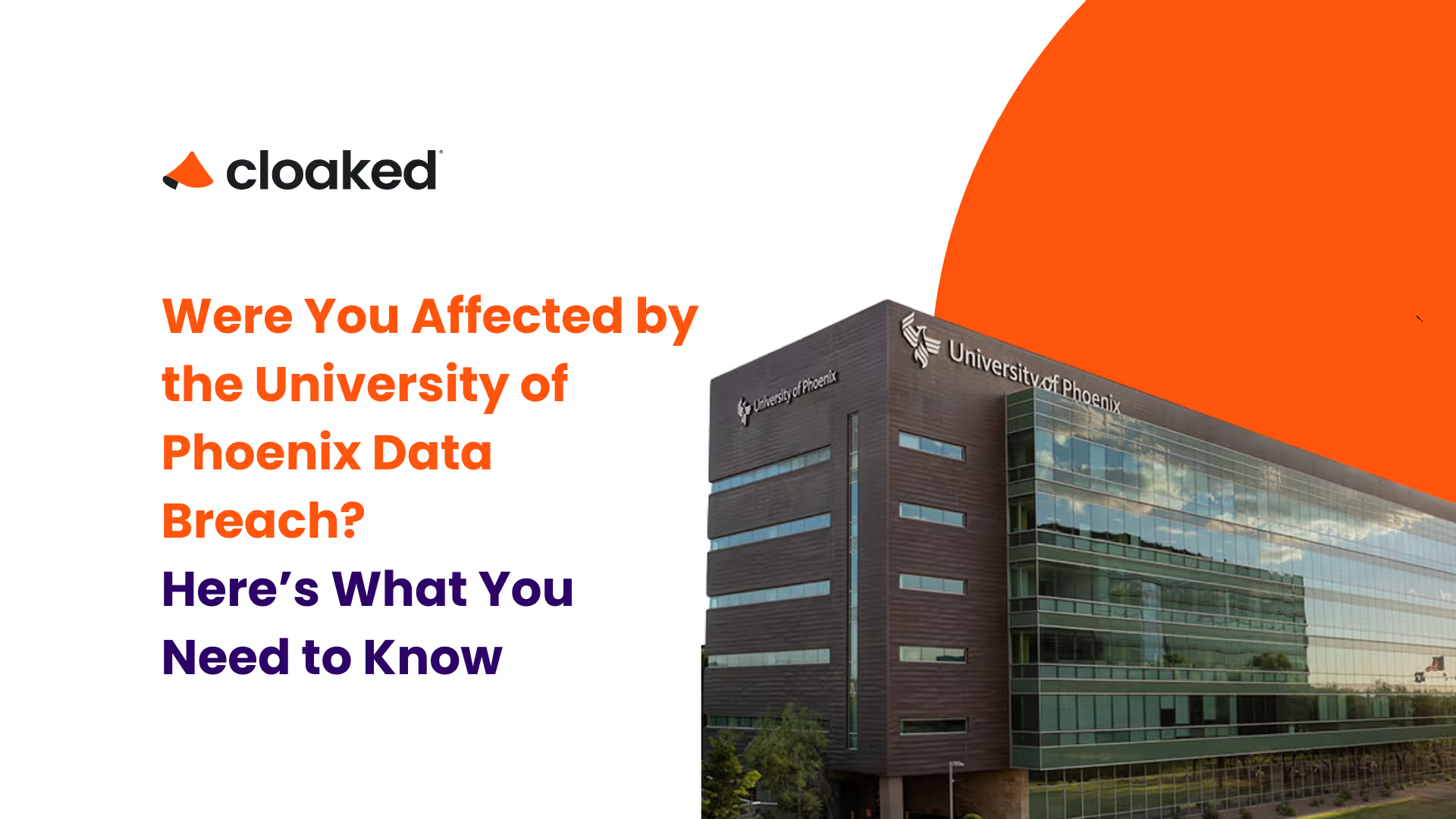
The University of Phoenix recently disclosed a significant data breach affecting approximately 3.5 million individuals, including students, staff, and suppliers. This breach, resulting from a vulnerability in the Oracle E-Business Suite, exposed sensitive personal and financial information such as names, social security numbers, and bank details. If you are connected to the university in any capacity, it's crucial to understand the extent of the breach and take immediate steps to protect yourself.
What Datapoints Were Leaked?
When a breach hits, the first thing most people want to know is: What exactly did the hackers get? In the case of the University of Phoenix breach, the answer is unsettling. The attackers managed to access a trove of sensitive data—far more than just email addresses or phone numbers.
Information Exposed
Here’s what was compromised:
Full names
- Your legal name, as registered with the university, was included in the leaked data.
Contact information
- This means addresses, phone numbers, and email addresses—details that can be used for targeted phishing scams.
Dates of birth
- Birth dates are a goldmine for fraudsters, as they help confirm identity in many financial systems.
Social Security numbers
- With your SSN, criminals can open new accounts, commit tax fraud, or even access government benefits in your name.
Bank account details
- This includes routing numbers and account numbers tied to payroll or tuition payments—prime targets for financial theft.
How Did It Happen?
The breach stemmed from a zero-day vulnerability in the Oracle E-Business Suite—the software backbone for the university’s operations. Zero-day means attackers found and exploited the flaw before anyone else even knew it existed. In this case, that gave hackers a window to slip in undetected and siphon off data.
Many organizations, including universities, rely on Oracle E-Business Suite for tasks like HR, payroll, and student records. When a vulnerability is discovered, it’s a race against time: Will the software provider patch the flaw before criminals can use it? Unfortunately, the answer here was no.
If you’re wondering whether tools exist that can help limit how much of your personal information you share with institutions, solutions like Cloaked offer ways to create aliases and mask sensitive data. While this won’t retroactively protect data already breached, it’s something to consider for future privacy.
The bottom line: if you had any dealings with the University of Phoenix—whether as a student, employee, or supplier—your most personal details may now be out in the wild.
Should You Be Worried?
When you hear your personal data might have been part of a breach, it’s normal to feel a jolt of anxiety. The risks are real—identity theft and financial fraud can happen if your information falls into the wrong hands. Let’s break down what this actually means, so you know where you stand.
What Risks Are On The Table?
- Identity Theft: Hackers can use your personal details—like your name, date of birth, or student ID—to impersonate you. This can lead to opening new credit lines, making purchases, or worse, committing crimes in your name.
- Financial Fraud: If banking or payment details were exposed, someone could drain your accounts or rack up charges on your cards.
- Phishing and Scams: With enough info, fraudsters might send convincing emails or texts to trick you into revealing even more sensitive information.
Gauging Your Exposure
It’s not always clear how much of your data has been leaked. Ask yourself:
- Did the breach include only contact details, or did it extend to social security numbers, financial info, or passwords?
- Has the university specified what was accessed? Some organizations send out detailed notifications—read those closely.
A quick reality check: not every breach results in identity theft. But the risk increases with the sensitivity of the data involved.
Stay Alert for Official Updates
Universities usually reach out if your information is at risk. Keep an eye on:
- Official university emails or letters about the breach
- Updates posted on the university’s website or student portal
If you’re unsure, don’t hesitate to contact your university’s IT or security office directly. Silence isn’t always golden—make sure you’re not missing critical updates.
Taking Precautions
If you discover your data was compromised, consider these immediate steps:
- Change your passwords—especially for university and financial accounts.
- Monitor your accounts for suspicious activity.
- Freeze your credit if you notice any signs of fraud.
Some services, like Cloaked, can help by giving you a secure, privacy-first way to manage and mask your digital identity. Cloaked lets you create alternate emails, phone numbers, and usernames, reducing the risk if your real information ever gets exposed.
The truth is, data breaches are unsettling. But understanding the scope and taking action quickly can help you limit any fallout.
What Should Be Your Next Steps?
You’ve just learned your data may be at risk. It’s a stressful moment, but the right moves now can make all the difference. Here’s a clear path forward, starting with the free support the University of Phoenix provides and extending to smart actions you can take yourself.
Tap Into Free University of Phoenix Protection
The University of Phoenix is offering its community several no-cost identity protection tools. These aren’t just nice-to-haves—they’re the bedrock of a strong response:
- $1 Million Fraud Reimbursement Policy: If your identity is stolen and money is lost as a result, this policy is there to help cover the damages—up to a million dollars.
- Credit Monitoring: This service keeps an eye on your credit report. If someone tries to open a new account or take out a loan in your name, you’ll get an alert.
- Dark Web Surveillance: Your sensitive information—like social security numbers or bank details—will be monitored across the dark web. If anything pops up, you’re notified, so you can act fast.
Taking advantage of these services is a no-brainer. The goal: catch trouble before it snowballs.
Practical Steps to Stay Ahead
Even with strong protection in place, your own habits matter. Simple changes can add a huge layer of security:
- Change Your Passwords: Start with your most important accounts—email, banking, work logins. Use strong, unique passwords for each.
- Enable Two-Factor Authentication (2FA): This adds another checkpoint—usually a code sent to your phone—before anyone can log in.
- Monitor Your Financial Accounts: Set up alerts for unusual activity. Check statements regularly; don’t just wait for your bank to call.
- Watch for Suspicious Emails or Calls: Scammers often try to trick you into revealing more personal info after a breach. Be wary of requests for details or urgent demands.
Consider Advanced Digital Privacy Tools
If you’re looking for extra assurance, tools like Cloaked can help you take your digital safety up a notch. Cloaked offers features that let you create secure, disposable email addresses and phone numbers, making it harder for your real data to get into the wrong hands. This sort of privacy shield can be a strong supplement to the protection already on offer.
The bottom line: staying alert and using every tool available puts you back in control. It’s not about paranoia—it’s about smart, calculated defense.





